Morning Meal, Maximum Confusion: The Honest Guide to Surviving (and Loving) the Resort Breakfast Buffet
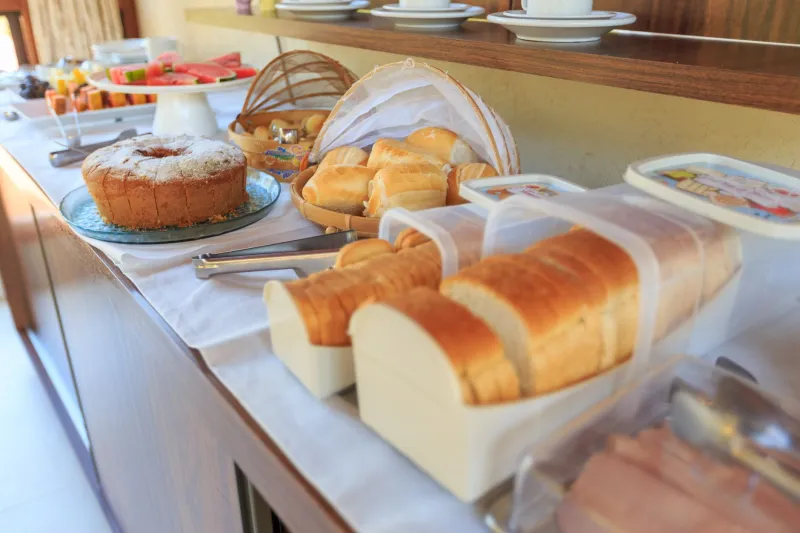
There's a particular kind of guilt that only happens at a resort breakfast buffet. You've loaded your plate with a waffle, three strips of bacon, a small mountain of fruit, two kinds of eggs, and something that might be a crepe — and you're already full by the time you sit down. Somewhere across the table, a half-eaten omelet is getting cold. The orange juice was $6 extra. And you're vaguely aware that you paid for all of this whether you showed up or not.
Welcome to the resort breakfast paradox.
It's one of the most universal vacation experiences in America, and also one of the least examined. Let's actually examine it.
What You're Really Paying For (Hint: It's Not Just Eggs)
When a resort breakfast buffet is included in your package — or tacked on as an add-on — the price tag rarely reflects the food itself. What you're paying for is access, atmosphere, and convenience. The spread is designed to signal abundance. Wide chafing dishes, fruit towers, a made-to-order station with a chef in a tall hat — all of it communicates that you've arrived somewhere special.
Hospitality researchers have written about this for years: buffets in resort settings are as much about perception as they are about nutrition. The variety isn't there because every guest wants smoked salmon AND biscuits AND congee. It's there so that every guest feels like their particular preference is covered. You're paying for the feeling of limitless options, even if you only eat two of them.
That's not a criticism — it's just worth knowing. Once you understand what the buffet is actually selling, you can decide how to engage with it on your own terms.
The Overwhelm Is by Design
Here's something worth sitting with: the layout of a resort breakfast buffet is not accidental. The stations are spread out to encourage movement and exploration. The most photogenic items — towering pastry displays, colorful smoothie bowls, elaborately garnished platters — are positioned at eye level and near the entrance. The practical, filling stuff (oatmeal, plain toast, hard-boiled eggs) tends to live at the end of the line, where fewer people bother to look.
This isn't manipulation exactly. It's hospitality design. But it does mean that if you walk in without a plan, you'll almost certainly take more than you want, eat less than you took, and feel vaguely bad about the whole thing.
The fix is embarrassingly simple: do one full lap before you grab a plate. Just look. See what's actually there, note what genuinely appeals to you, and then go back for the things you actually want. It sounds obvious, but almost nobody does it.
The Skip-It Case Is More Legitimate Than You Think
Let's be honest about something that resort marketing doesn't love to discuss: for a lot of travelers, skipping the included breakfast entirely is the right call.
If you're a light breakfast person — someone who normally grabs a coffee and maybe a piece of toast at home — sitting down to a full buffet spread at 8 a.m. isn't going to feel like a vacation upgrade. It's going to feel like homework. You'll force yourself to eat more than you want because you paid for it, which is a genuinely bad reason to eat anything.
If the breakfast is included in your package rate, you're not losing money by skipping it. You already paid. What you're gaining is an extra hour of sleep, a quieter morning, and the freedom to grab something you actually want — maybe a coffee and a pastry from a local spot nearby, which often ends up being a better experience anyway.
Not every resort amenity is worth using just because it exists. Knowing which ones serve you and which ones don't is part of traveling smarter.
How to Actually Get Value When You Do Go
If you're going in — and there are plenty of good reasons to — here's how to make it work for you rather than against you.
Go early or go late. The sweet spot of a resort buffet is either right when it opens (freshest food, fewest people, calmer atmosphere) or in the final 30 minutes before it closes (staff are often more generous with made-to-order items, and the crowd has thinned). The middle hour is typically the most chaotic and the most picked-over.
Treat it like brunch, not breakfast. If you're going to eat a larger-than-usual morning meal, lean into it. Skip the light stuff you'd eat at home and go for the things that are genuinely resort-specific — the carved meats, the eggs benedict, the tropical fruit you wouldn't find at your grocery store. Make it an experience, not just a meal.
Watch the add-ons. At many resorts, the buffet price covers the basics, but beverages — fresh-squeezed juice, specialty coffees, smoothies — are priced separately and can significantly inflate your bill. Know before you sit down whether your drinks are included. It's a small thing that catches a lot of people off guard.
Build a plate for your actual hunger level. This sounds almost insultingly simple, but it's the single biggest factor in whether you enjoy the experience or feel vaguely defeated by it. A half-full plate you finish is more satisfying than a towering plate you abandon.
The Social Argument for Showing Up
There's one case for the resort breakfast buffet that has nothing to do with the food: it's a genuinely nice way to start a vacation day with people you're traveling with.
Sitting down together, taking your time over coffee, talking about what you want to do — that's a ritual that's easy to skip when you're rushing through a normal week. The buffet format actually works in your favor here, because everyone can get exactly what they want without negotiating a menu. It's a low-friction way to share a morning.
If you're traveling as a couple, with family, or in a group, that unhurried breakfast hour can become one of the better memories of the trip. Not because the eggs were extraordinary, but because you were actually present for it.
Bottom Line
The resort breakfast buffet is neither the incredible value it's marketed as nor the wasteful indulgence the guilt voice in your head sometimes suggests. It's a tool — one that works beautifully when you use it intentionally and falls flat when you let it use you.
Know what you're paying for. Do the lap. Eat what you actually want. Skip it entirely if that's the honest call. And if you do sit down with a full plate and a good cup of coffee and nowhere to be for an hour — that's a pretty solid way to start a vacation morning.