Swipe Left on Resort Hype: How to See Past the Pretty Pictures Before You Book
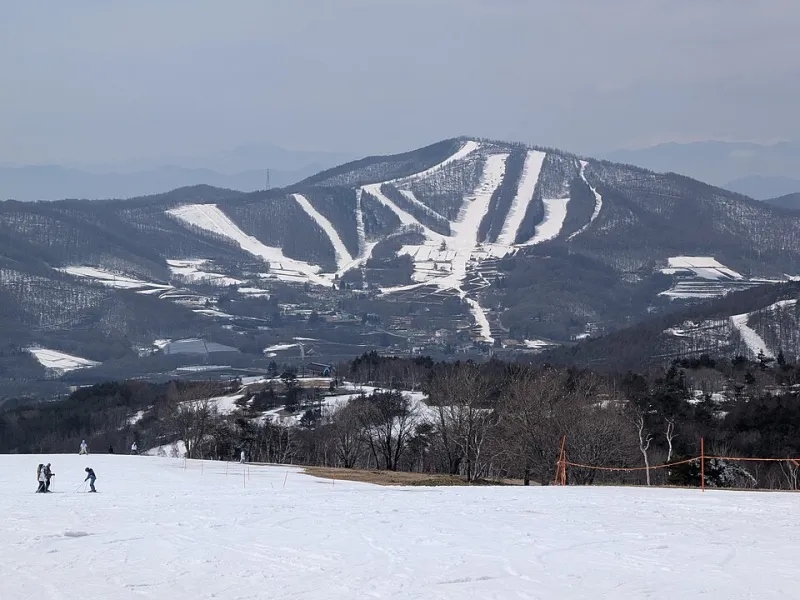
Photo: Syced, CC0, via Wikimedia Commons
You've done the scroll. The resort website shows a glittering turquoise pool surrounded by swaying palms, a beachfront suite that looks like it was designed by a Malibu architect, and a sunset dinner table set so perfectly it belongs in a magazine. You hit "Book Now" with your heart full of anticipation — and then you show up.
The pool is real. It's also about a third of the size it looked online, it's packed wall-to-wall by 10 a.m., and that "beachfront" suite has a partial ocean view if you lean out the balcony at a very specific angle. Sound familiar? You're not alone, and you're not naive. You've just encountered one of the most polished industries in visual marketing: resort photography.
Understanding how these images are constructed — and more importantly, how to work around them — can completely change how you research and book your next getaway.
Why Resort Photos Look the Way They Do
Resort marketing teams hire professional photographers who specialize in one thing: making spaces look extraordinary. That's not a criticism — it's just the job. Wide-angle lenses are the industry standard because they make rooms appear larger and more open than they actually are. A 400-square-foot hotel room photographed with a 14mm lens can look like a sprawling loft. The same trick applies to pools, lobbies, and restaurants.
Lighting is the other big lever. Shoots almost always happen at golden hour — that magical 45-minute window just after sunrise or before sunset when everything glows. The harsh midday sun that you'll actually be sitting under? Never makes the brochure. Neither does the cloud cover that rolls in for three days straight during shoulder season.
Then there's the edit. Color grading software can deepen the blue of a sky, intensify the green of the water, and erase the slightly weathered look of a property that opened in 2009. It's not deception in any legal sense — it's standard practice. But it creates a baseline expectation that real life simply can't match.
The result? A growing gap between what travelers imagine and what they find when they step off the shuttle from the airport.
The Angles That Lie the Loudest
There are a few specific photography tricks worth knowing before you start your research:
The aerial drone shot. Stunning, sure. But a bird's-eye view of a resort tells you almost nothing about what it actually feels like to be there at ground level. It can make a compact property look expansive and hide proximity issues — like the fact that the "secluded" beach cabana is about 40 feet from a busy resort road.
The empty-pool illusion. That serene, unpeopled pool photo was almost certainly taken before the resort opened for the day or during a private shoot. During peak season at a popular resort, that same pool will have every lounge chair claimed by 8:30 a.m. and a wait for swim-up bar service by noon.
The room "category" bait-and-switch. Resorts often photograph their best rooms and use those images across multiple room categories. The "Deluxe Ocean View" you're looking at in the photo might actually be the Presidential Suite — the room you booked could have a very different vibe.
How to Actually Vet a Property Before You Book
Here's the good news: there are real, practical ways to cut through the gloss and get a more honest picture of what you're walking into.
Go straight to recent guest photos. TripAdvisor, Google Reviews, and especially Instagram hashtags for the property name are goldmines of unfiltered reality. Sort by most recent and look specifically at photos uploaded by guests — not the resort's own account. These images are shot on regular phones, in regular lighting, with zero professional intervention. They're not always flattering, but they're real.
Read the one-star and two-star reviews strategically. Don't let a few bad reviews scare you off, but do look for patterns. If five different people in the last six months mention that the beach is crowded, the air conditioning runs loud, or the included breakfast isn't actually that great, that's signal worth taking seriously.
Call the resort directly and ask specific questions. This sounds old-fashioned, but it's remarkably effective. Ask: "What's the walking distance from my room category to the main pool?" or "Is there any construction happening on or near the property right now?" A good resort will answer honestly. A hesitant or vague answer tells you something, too.
Check the property on Google Maps Street View and satellite. You can see exactly what's around the resort — neighboring buildings, beach access, parking lots, nearby roads. It takes about three minutes and can completely reframe what you're looking at.
Look for video walkthroughs on YouTube. Travel bloggers and even regular guests post room tours and resort walkthroughs constantly. A five-minute video shot by someone staying in your exact room type will do more to set accurate expectations than 50 professional photos.
Timing Can Change Everything
Even if a resort is exactly as beautiful as it looks in photos, when you go matters enormously. Peak season at most US resort destinations — think spring break in Florida, summer in Hawaii, holidays at Caribbean-adjacent spots — means the property is operating at or near full capacity. That infinity pool? Shoulder-to-shoulder. That quiet hammock on the beach? Reserved with a towel before you've finished breakfast.
If the photos show a peaceful, uncrowded paradise and that's what you're after, look at shoulder season dates. Late April to early June and September to mid-November tend to be sweet spots at most warm-weather destinations — fewer guests, often lower rates, and a version of the resort that actually looks a little closer to what the marketing team photographed.
The Right Mindset for Booking
None of this means you should become a cynical vacation planner who trusts nothing. Most resorts are genuinely beautiful, well-run places that offer real value and real relaxation. The goal isn't to expect the worst — it's to walk in with calibrated expectations so you can actually enjoy what's there instead of grieving what isn't.
Think of resort photography as a highlight reel, not a documentary. It shows you the absolute best version of a place under ideal conditions. Your job as a traveler is to do a little detective work to figure out what the everyday version of that place actually looks like — and decide whether that's the vacation you want.
When you do that homework, you stop chasing the image and start actually planning the trip. And that's where the real fun begins.